Law Firm Value Adds: What to Negotiate Beyond Rates
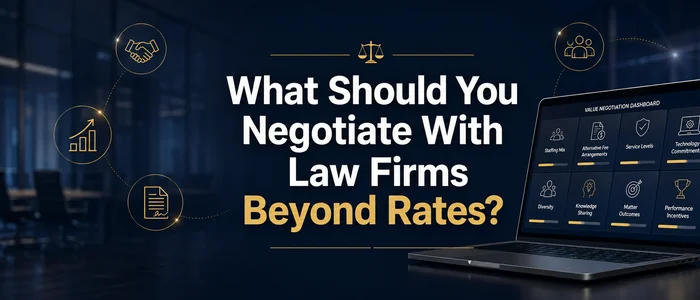
Rates are just one lever. Discover the law firm value adds legal departments actually negotiate: secondments, AFA pilots, training, and data commitments.


Rates are just one lever. Discover the law firm value adds legal departments actually negotiate: secondments, AFA pilots, training, and data commitments.
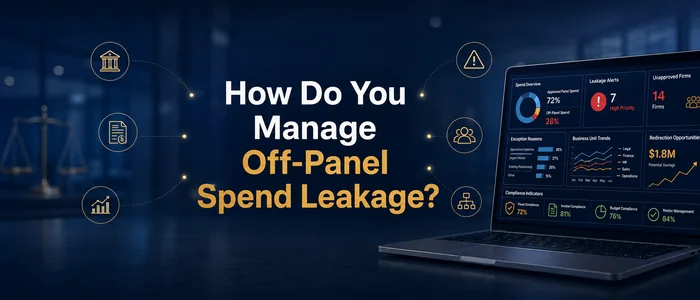
Off-panel legal spend leakage quietly undermines law firm panel programs. Where it comes from, how to measure it & control it.
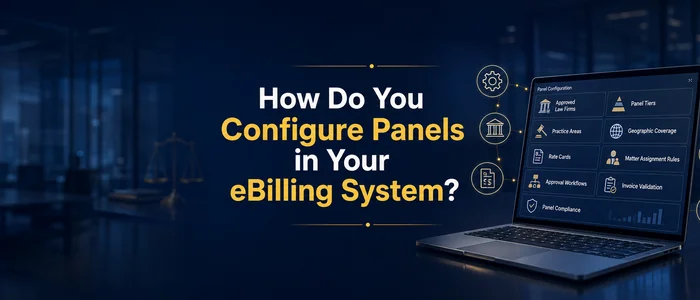
Learn how to configure panel programs in your eBilling system, from firm status fields and rate enforcement to matter routing and compliance reporting.
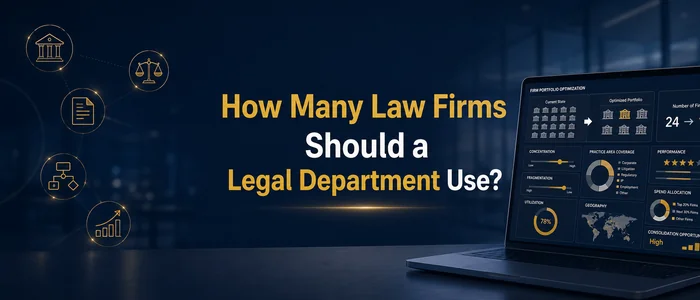
How many law firms should a legal department use? See what benchmarks show by department size, what drives panel bloat, and how to find your right number.
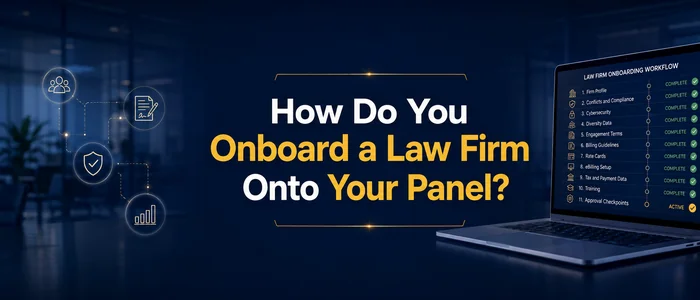
Experience-based guidance to onboarding a law firm onto your panel: guideline acceptance, rate loading, eBilling setup, and the checklist that prevents billing disputes.
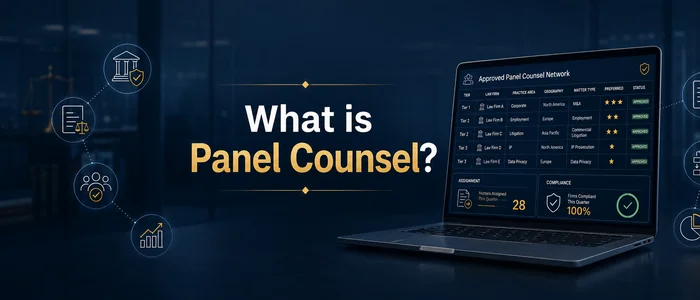
Panel counsel are law firms pre-approved to handle an organization's legal work. Learn what the term means in corporate legal and insurance contexts.
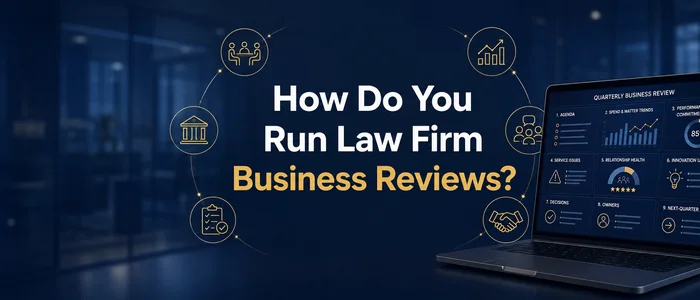
Learn how to run law firm business reviews that change behavior: cadence, agenda, data preparation, and the difficult conversations most departments avoid.
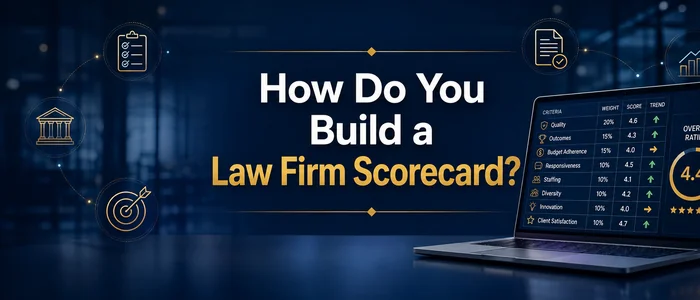
Learn how to build a law firm scorecard that measures what matters, where to source the data, and how to use scorecards to improve firm relationships.
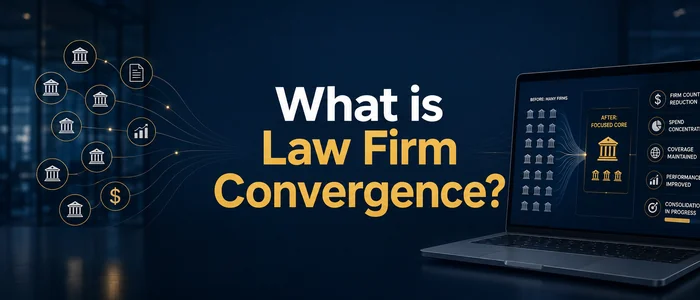
Law firm convergence means concentrating legal work with fewer firms. What it saves, what it risks, and how to run a convergence program that holds.
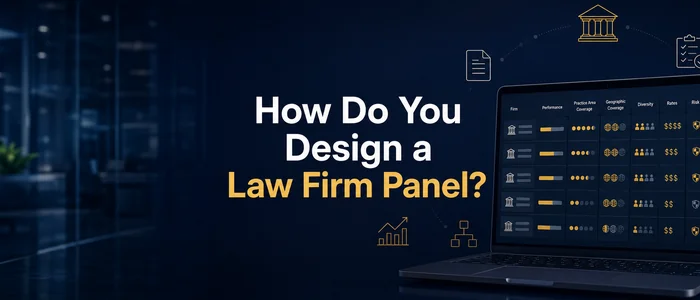
Learn how to design a law firm panel that controls legal spend and improves quality. Tier structures, coverage models, and the decisions that shape results.
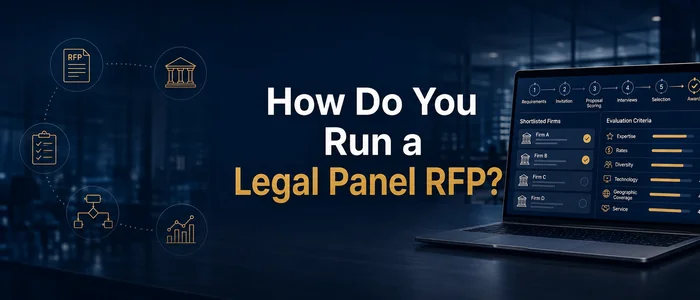
How to run a legal panel RFP: process design, timeline, scoring model, rate collection, and the mistakes that turn panel reviews into paperwork exercises.
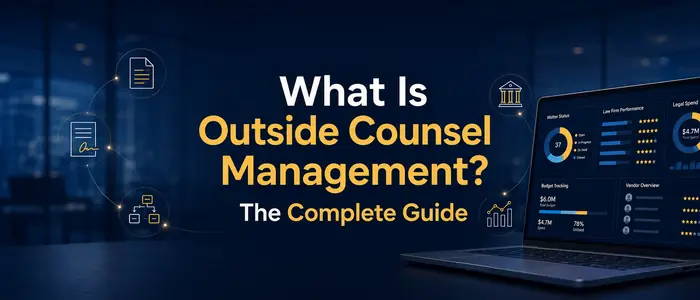
Outside counsel management is how legal departments select, govern, and evaluate law firms. The guide to panels, guidelines, scorecards, and spend control.
ELM systems integration determines if your legal platform is a system of record. What enterprise systems it must connect to, and how to evaluate each connection.
ELM implementation spans data migration, integrations, billing rules, and change management. A practitioner's guide to what your rollout requires.
Legal technology change management is what makes new systems stick. Learn why CLM, ELM, and AI rollouts succeed or stall, and how to lead the change.
Readiness can be the difference between whether your contract lifecycle management platform will be adopted by your organization or not. This article gives you the four dimensions of readiness and a simple way to score where you stand.
Intake is the highest-leverage place to start, because it sits at the front of the lifecycle and fixing it produces visible results fast.
How to organize CLM requirements by theme instead of a feature checklist, so your RFP reflects the operating model you need rather than a vendor's feature list.
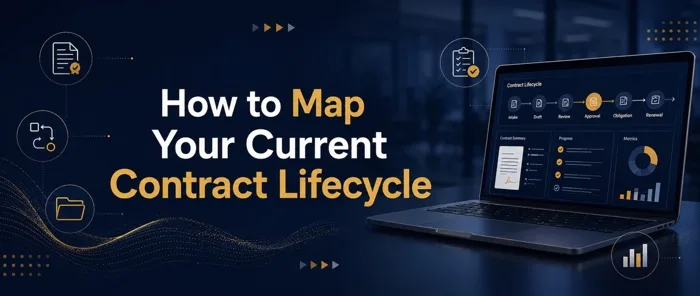
Contract lifecycle mapping refers to documenting how a contract actually moves today in your organization, from where it originates in your sell-side and buy-side enterprise platforms, to the obligations and renewals, marking every handoff and gap along the way
A practical guide to choosing a CLM vendor that starts with the decisions most teams skip: contract ownership, system of record, requirements, and readiness, settled before you ever see a demo.
A practical architecture for deciding where contracts live across ServiceNow, Salesforce, and a dedicated CLM: who owns the contract, which system is the system of record, and where the boundary sits between your business systems and the contract lifecycle management system.
The right buyer question for offshore legal services is not where the practitioner sits, but what they are trained and certified to operate. Here's the framework
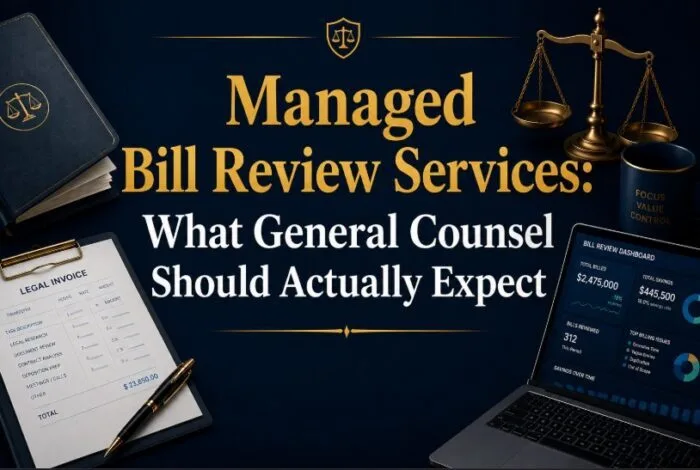
What general counsel should expect from a managed bill review service. Scope, savings, delivery models, and the questions buyers should ask before signing.

The questions most general counsel miss when evaluating a legal managed services provider. A four-dimension framework, six warning signs, and procurement guidance for in-house teams.

Legal outsourcing breaks into five categories of provider, each built for a different problem. Here's how in-house teams can read the market in 2026

Legal managed services run defined legal functions as a service. Here's how they compare to ALSPs, BPOs, and consulting, and which model fits in-house teams.
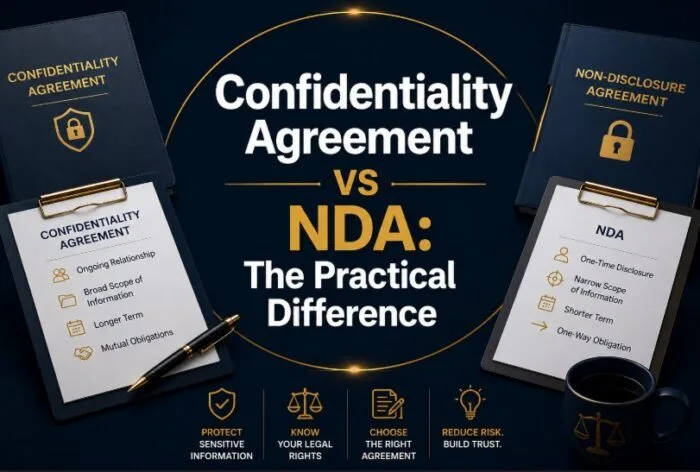
A practitioner's guide to the difference between a confidentiality agreement and an NDA, including unilateral and mutual variants, the five clauses that matter, free template references, and how to structure intake in a CLM.
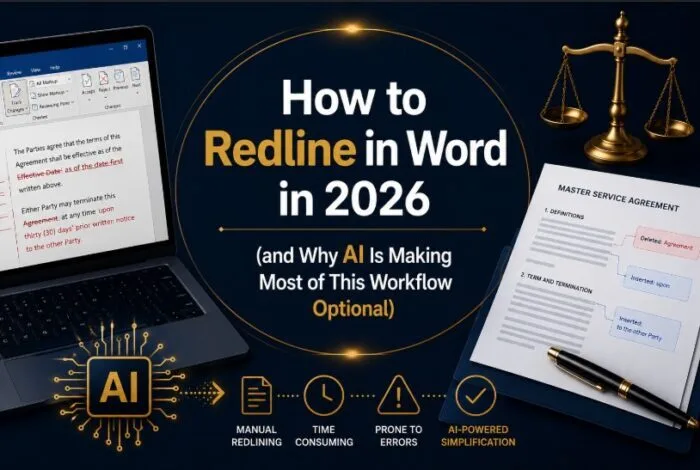
A practitioner's guide to redlining in Microsoft Word, including a step-by-step Track Changes walkthrough, the April 2026 AI capabilities from Claude for Word and Microsoft Copilot, and how to decide between AI inside Word, a CLM, or both.
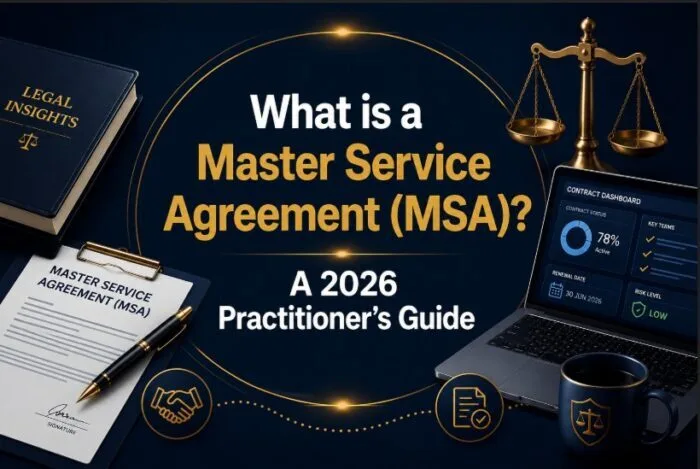
A practitioner's guide to Master Service Agreements (MSAs): what's in one, the 12 clauses that matter most, MSA vs SOW, AI redlining in 2026, and how to operationalize at scale.

Legal AI transformation requires more than pilots. This roadmap shows how in-house teams move from readiness to full-scale deployment with governance, integration, and measurable outcomes across the legal function.

A practitioner's view of Thomson Reuters Legal Tracker: what it does, who uses it, where it is strong, and where corporate legal departments outgrow it.

Legal bill review helps in-house legal teams audit outside counsel invoices for billing compliance, rate accuracy, and budget discipline. This guide explains the three layers of bill review and how they fit into eBilling governance.

Outside counsel billing guidelines define how law firms invoice legal departments. This guide explains what they should include, how to enforce them, and why they matter.
Implementing Onit eBilling is one of the highest-ROI legal technology investments a legal department can make. This guide covers what implementation requires, what goes wrong, and what results are achievable.
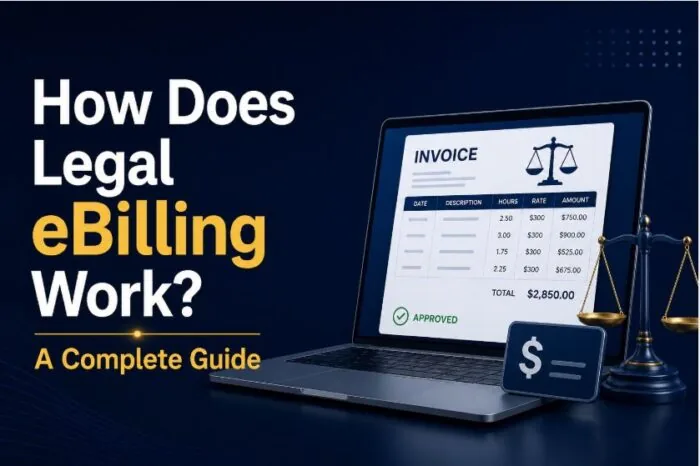
Legal eBilling helps in-house legal teams manage outside counsel invoices through automation, billing rules, and structured data. This guide explains how it works and what successful implementation requires.

AI introduces new legal risks across data, outputs, and compliance. This guide explains how in-house teams identify AI exposure, implement governance controls, and manage risk effectively while adopting AI across legal workflows.

Boards are asking general counsel about AI strategy. This guide explains how to present legal AI as a business initiative, quantify its value, address risk, and deliver a structured roadmap that earns executive confidence.

AI legal assistants can automate drafting, research, and contract review, but their value depends on how they are deployed. This guide explains where they deliver impact, where they fall short, and how in-house teams should use them effectively.
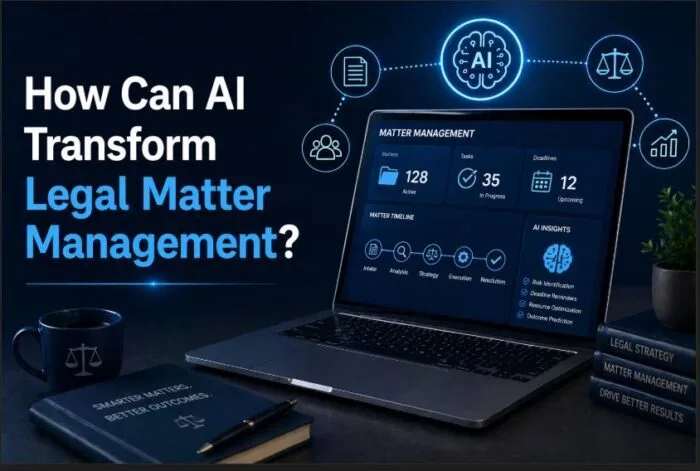
AI is transforming legal matter management by automating intake, improving routing, and increasing visibility. This guide explains how in-house teams can manage matters more efficiently and scale legal operations without increasing resources.
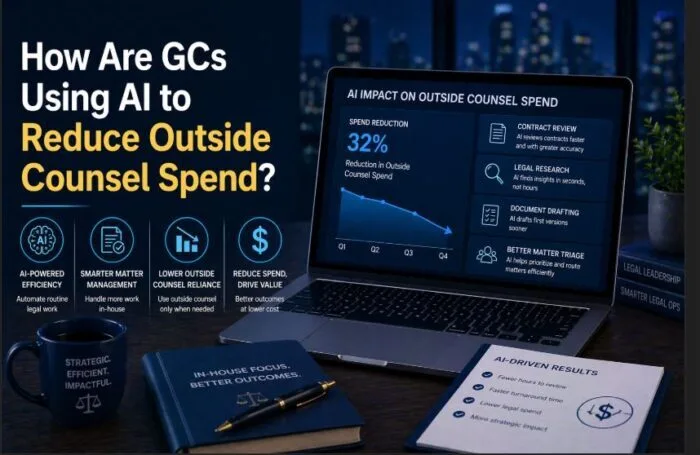
General Counsel are using AI to reduce outside counsel spend by bringing work in-house, tightening billing review, and optimizing matter allocation. This guide covers the use cases, the benchmarks, and where current AI bill review tools still fall short.
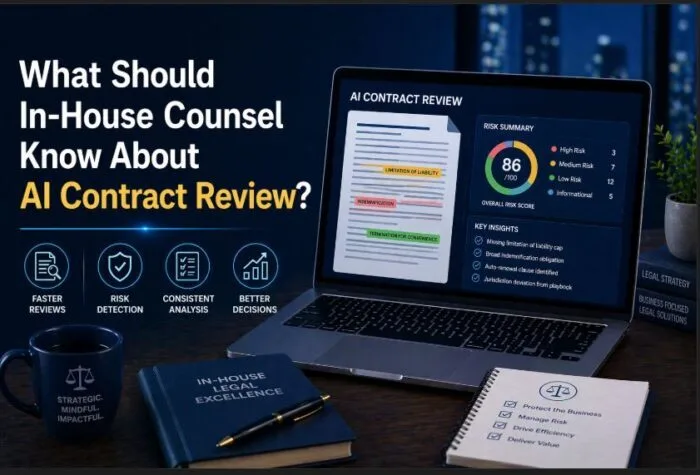
AI contract review can significantly reduce review time and improve consistency, but only within defined workflows and against a documented playbook. This guide covers the current tool landscape, where AI is actually useful, and how in-house teams should deploy it effectively.
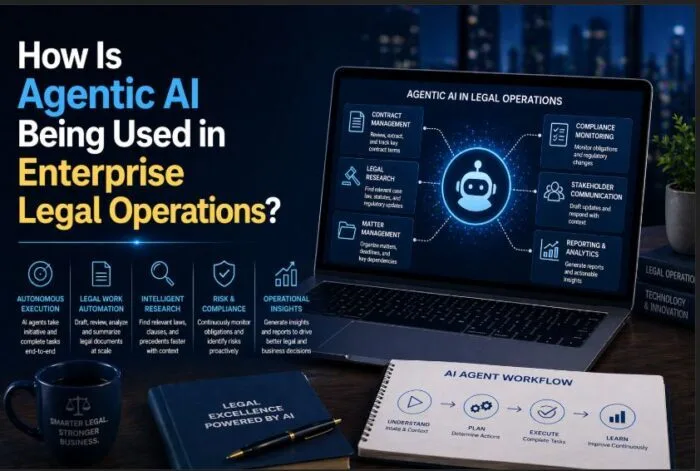
Agentic AI is shifting legal operations from assistance to autonomous execution. This guide covers enterprise use cases, the current platform landscape, the agency and personhood questions agentic AI raises, and how in-house teams can adopt it while maintaining control and governance.

Legal AI investments require a strong business case to secure approval. This guide explains how in-house teams can quantify ROI, align AI with business priorities, and present a compelling financial case to leadership.
Legal AI governance is not a policy document. It is the operating model a general counsel uses to oversee AI usage, vendor risk, human review, and accountability across the legal function. Here is what it actually looks like in practice.

Most general counsel believe their legal department is ready for AI, but readiness goes beyond tools. This assessment framework helps in-house teams evaluate data, processes, governance, and adoption capability before deploying legal AI.
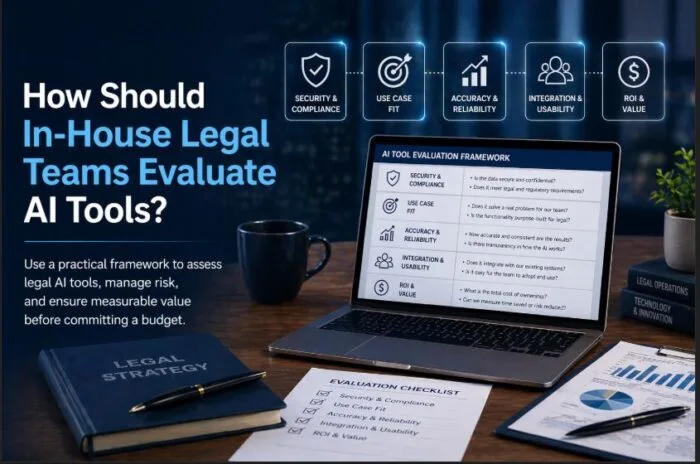
In-house legal teams are rapidly adopting AI, but most lack a structured way to evaluate tools. This guide outlines a practical framework to assess legal AI solutions, manage risk, and ensure measurable value before committing a budget.

What legal operations consulting covers, when to bring in a consultant, and how to evaluate firms, from practitioners who have delivered $60M in savings.
What software does a corporate legal department actually need? This guide covers the in-house legal software stack, ELM, CLM, matter management, eBilling, workflow automation, and how to build it without overcomplicating.
A legal operations platform is the integrated technology system that runs a modern in-house legal function. This guide covers what it does, what to evaluate, and what the leading options deliver.
Legal matter management software is the operational core of any ELM deployment. This guide covers what to evaluate, the questions to ask vendors, and what a successful implementation actually requires.
ELM and CLM are frequently confused and sometimes sold as the same thing. This guide explains the real difference, where the platforms overlap, and how to decide what your legal department actually needs.
Comparing ELM software? This guide covers the leading platforms, Onit, Mitratech, Thomson Reuters, and Wolters Kluwer, with evaluation criteria and what buyers consistently underestimate about implementation.
Matter management is how in-house legal departments track, budget, and report on every piece of legal work. This guide explains what it is, what good looks like, and how it fits into an ELM platform.
Enterprise legal management (ELM) is how legal departments manage matters, billing, and operations at scale. This plain-English guide explains what ELM is and what it covers.

A practitioner's honest view of why Onit ELM is the right choice for legal departments, based on delivery experience across Onit and other competing ELM platforms.

Not all Onit implementation partners are equal. This guide covers the criteria that separate strong partners from weak ones, and the questions worth asking before you decide.
Onit Unity is Onit's next-generation ELM platform, AI-first combines features from OnitX and SimpleLegal into a unified architecture. This guide explains what Unity is and what it means for legal departments.

Onit Apptitude is Onit's low-code workflow platform. This guide explains what it does, how it extends Onit ELM, and what legal ops teams can build with speed and without waiting months to ideate.

CounselGO is Onit's eBilling intake portal for SimpleLegal users. This guide explains how CounselGO works, how it enforces billing guidelines, and what implementation requires.
SimpleLegal is Onit's mid-market ELM platform designed for legal teams that need matter management and eBilling without full enterprise complexity.
Onit ELM covers matter management, eBilling, CLM, and workflow automation. This guide explains what the Onit ELM platform does and what a successful implementation requires.
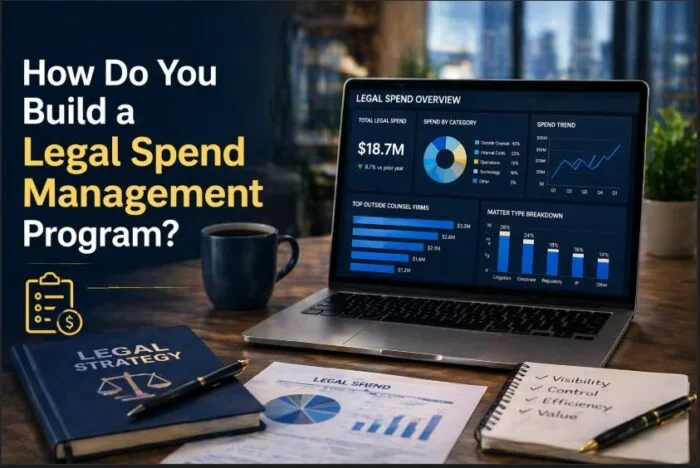
Build a structured legal spend management program using the Diagnose, Govern, and Optimize framework to improve visibility, control costs, and drive efficiency.
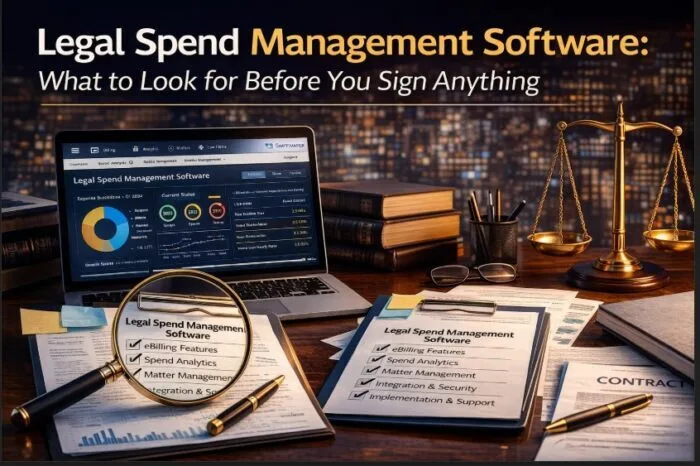
Most legal departments evaluate spend management software on features. The right question is not what the platform does. It is what the platform needs to do for your specific situation.

Most legal departments believe they are being overbilled. Most do not have the infrastructure to find it. Here is what poor eBilling governance actually costs.

Most rate negotiations fail before they start. Not because firms push back but because in-house teams negotiate without data. Here is what is actually working.

Reducing legal spend without sacrificing quality is not a trade-off problem. It is a management problem. Here are the levers that actually work.
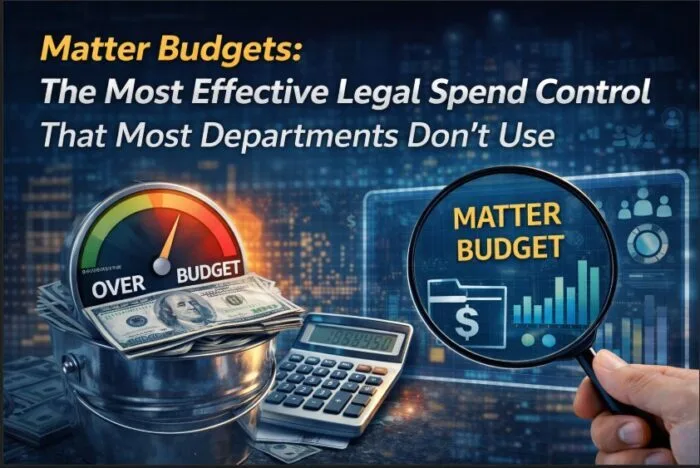
Matter budgets are the single most effective legal spend control available to in-house teams. Most departments still do not use them. Here is why and how to change that.

Legal spend creep is not primarily a law firm problem. It is an internal governance problem. Here is where the cost accumulates and how to stop it.
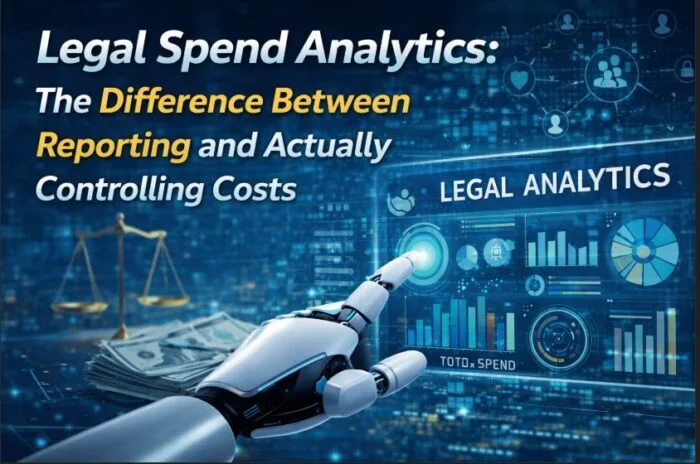
Most legal departments have reporting. Very few have analytics. Here is what the difference means in practice and why it determines whether you actually control costs.

Most legal departments benchmark outside counsel spend the wrong way. Here is what the data actually shows and how to use benchmarks to make better decisions.

A legal spend baseline is the minimum foundation for any spend management program. Here is what it is, why most departments lack one, and how to build it in 30 days.

Most outside counsel billing guidelines fail not because they are poorly written but because they are never enforced. Here is why that happens and how to fix it.

Most General Counsel cannot answer five basic questions about their legal spend. Here is what that gap reveals and how to build the analytics capability to close it.

87% of GCs now use AI — up from 44% in 2025. Learn how in-house legal teams are adopting AI for contracts, research, and compliance. A practical guide.

Discover the power of AI contract review to speed up business contracts, reduce risk, and cut costs. Discover how top teams are gaining a competitive edge.

Field-tested CLM best practices from implementations at global legal teams - intake, workflow design, renewal management, & adoption benchmarks.

Discover 6 transformative agentic AI use cases for corporate law departments. Streamline operations and enhance daily workflows for your legal team.

Discover how a modern legal consultant transforms your law department into a strategic business unit. Learn to optimize operations and leverage technology.

Maximize your Onit investment with a strategic partner. Learn how to connect Onit's powerful CLM and ELM tools to measurable business outcomes and real ROI.

Discover how to overcome resistance and drive adoption of AI in legal teams. Learn proven strategies to get lawyers to embrace AI tools and boost efficiency.

Discover how legal AI is transforming law. This guide covers AI technologies, real-world use-cases, benefits, and implementation steps for legal pros.

A complete guide to enterprise legal management software for in-house legal teams. Covers ELM features, benefits, how ELM compares to CLM, and how to evaluate the right system for your legal department.

Industry experts share insights of AI's impact on law firm profitability, legal technology adoption, & the future of legal service delivery.

Turn your patents and trademarks into revenue. This guide details proven strategies for monetizing intellectual property for corporate growth.

Unlock firm efficiency with legal workflow automation. Our guide covers AI tools, implementation roadmaps, and ROI calculation for modern legal practices.

Discover the 8 essential legal department kpis to track in 2026. Improve efficiency, manage spend, and prove value with these key metrics.

Discover essential legal spend management strategies to control costs and improve legal department performance. Optimize your legal spend today!

Master compliance risk management with this definitive guide. Learn to build, implement, and optimize a program that mitigates risk and drives business value.

Improve efficiency with top strategies in contract workflow management. Reduce risks and streamline your processes today!

Discover how legal operations management can transform your legal department into a strategic, efficient business unit. Learn proven strategies today!

Discover how online contracts work in digital transactions. Learn key elements, risks, and best practices to manage agreements effectively in a digital-first environment.

Discover how a legal technology overhaul delivered €11M in savings. Learn how automation and centralisation improve efficiency and reduce costs.
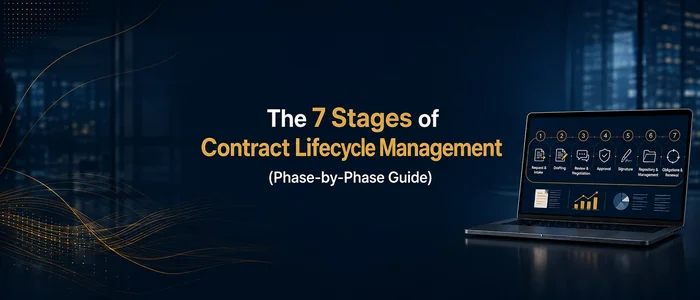
The contract lifecycle has seven stages: intake, creation, negotiation, approval, execution, monitoring, and renewal. What happens in each stage and how to run it well.

Understand the role of a contract manager in managing agreements, reducing risk, and ensuring compliance. Learn how they support effective contract execution.
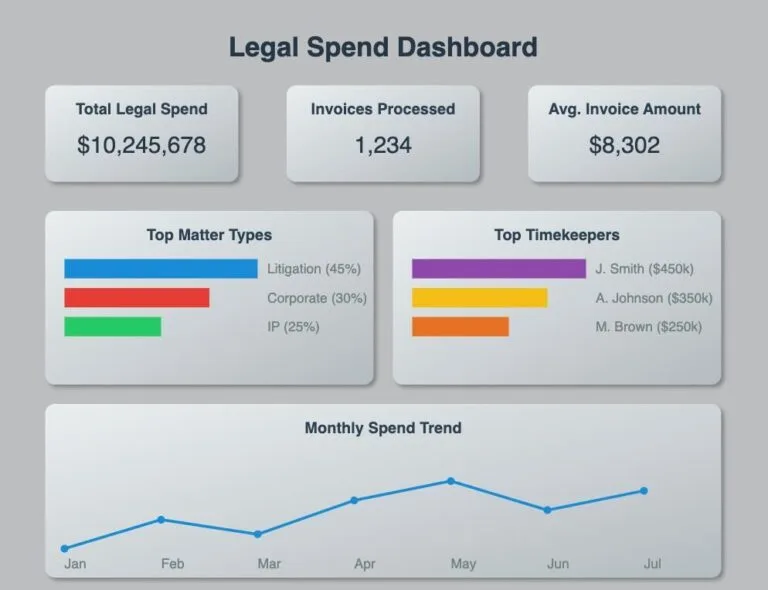
Discover how the LEDES format improves legal billing accuracy and analytics. Learn how standardised data enables better reporting, benchmarking, and decision-making.
Learn how the LEDES billing format transforms legal invoicing by improving accuracy, consistency, and efficiency in managing legal billing processes.

Discover how legal operations leaders can drive continuous improvement. Learn practical ways to improve efficiency, control spend, and strengthen legal department performance.

Learn how legal operations leaders can run effective annual planning. Discover practical steps to align goals, allocate resources, and improve department performance.

Discover how legal operations leaders can prioritize transformation initiatives. Learn how to focus resources, align priorities, and drive meaningful change across the department.

By streamlining workflows, improving efficiency, and empowering your team, automation can transform the way your legal department operates.