What is legal operations
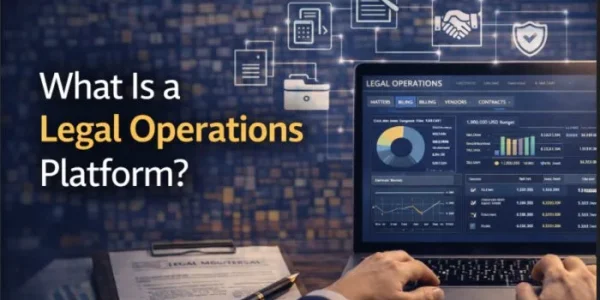
Legal operations is the business infrastructure that enables a General Counsel or Chief Legal Officer to run the legal function with the discipline of a business unit. It encompasses the systems, processes, vendors, data, and governance that allow lawyers to focus on legal work rather than operational friction.
The legal ops role has expanded significantly over the past decade. What began as administrative coordination now spans process design, financial governance, vendor management, technology strategy, data analytics, and AI adoption. Legal ops is the reason a CLO or Head of Legal Operations can scale the legal function without scaling headcount proportionally, and the reason a GC can report to the CFO with evidence rather than anecdote.
Most organizations underestimate what a mature legal operations function requires, and overestimate what technology alone can deliver without it.
Why legal ops is under more pressure than ever
The 2026 CLOC State of the Industry Report identified a structural productivity gap: demand for legal services is rising sharply while budgets and headcount growth flatten. Regulatory compliance and cybersecurity are driving workload increases, yet only 32% of legal departments expect attorney headcount to grow.2 Outside counsel is no longer the default release valve. Expectations for increased outside counsel spend dropped from 58% to 37% in a single year.2
The implication is clear. General Counsel and Legal Operations Directors must deliver more with the same or fewer resources. Legal operations is how that happens.
What legal operations actually covers
A mature legal operations function has five interdependent components.
The first is process and workflow design: standardizing how work enters, moves through, and exits the legal function. Intake systems, matter routing, approval workflows, and self-service tools reduce friction for the business and workload on the legal team. Most legal ops leaders find that process gaps are larger and more consequential than technology gaps.
The second is financial management: controlling and reporting on legal spend across inside and outside counsel. Rate governance, budgeting, accruals, and spend analytics are increasingly owned by legal ops rather than finance. A Head of Legal Operations who cannot present a credible spend story to the CFO is operating below their potential.
Where Swiftwater helps
Looking to reduce outside counsel spend without cutting quality? See how we approach Legal Spend Reduction →
The third is vendor and outside counsel management: building and managing the panel of law firms and alternative legal service providers. Preferred provider programs, performance reviews, rate negotiations, and billing guidelines all require active governance to deliver value.
The fourth is technology strategy: selecting, implementing, and governing the platforms that support legal work, from enterprise legal management through contracts and documents. ELM, CLM, eBilling, intake, and legal AI tools all require active ownership by legal ops, not passive administration by IT. Legal tech only delivers value when it is configured for the specific operating model of the department. A legal operations platform brings those tools together, and change management determines whether people actually use them.
Get help with your stack
- Implement Legal Technology →ELM, eBilling, intake, workflow automation
- Enterprise Legal Management →Matters, spend, eBilling, legal holds
- Legal Document Management →NetDocuments, workflow, knowledge management
- Docusign Consulting →eSignature governance, CLM, IAM platform
- Manage Contracts at Scale →CLM strategy and rollout
- Legal AI Solutions →AI strategy, agentic workflows, adoption
- Operate Your Legal Function →End-to-end legal ops as a service
The fifth is data and reporting: building the metrics that allow legal leadership to make evidence-based decisions and communicate value upward. Legal KPIs, dashboards, and benchmarking are foundational to any legal function that wants to be treated as a business partner rather than a cost center.
Who owns legal operations
In most mid-to-large enterprises, the Head of Legal Operations or Legal Operations Director owns the function day-to-day. The General Counsel or CLO sponsors it. In larger organizations a VP of Legal Operations may sit between the two. The Chief Legal Operations Officer title exists but remains rare. Most mature functions operate with a Director-level owner reporting directly to the GC.
In organizations without a dedicated legal ops leader, ownership is frequently fragmented across legal, finance, and IT, which is itself one of the primary reasons legal departments underperform operationally. That gap is often where legal operations consulting starts. Legal operations professionals now hold decision-making roles in 59% of organizations, according to Axiom’s 2024 survey, a significant shift from the administrative coordinators of a decade ago.3 The career path has matured along with the role, becoming less linear and more like climbing a cargo net than a ladder, and effective legal ops leadership now demands a deliberate balance of mindset and skillset, not just process expertise.
How legal ops leaders run the function
A mature legal ops function is built and run on a recurring rhythm of planning, prioritization, scoping, and improvement. Our guide to legal operations strategy lays out the four pillars and a three-phase roadmap for building one. The most effective Heads of Legal Operations operate on annual cycles, not ad-hoc reactions to whatever the business throws at them.
Effective annual planning is where the operating cycle begins, aligning legal ops priorities to business strategy, allocating resources to the highest-leverage initiatives, and setting the metrics that will define success. From there, transformation initiatives need to be prioritized against capacity, complexity, and the readiness of the team to absorb change.
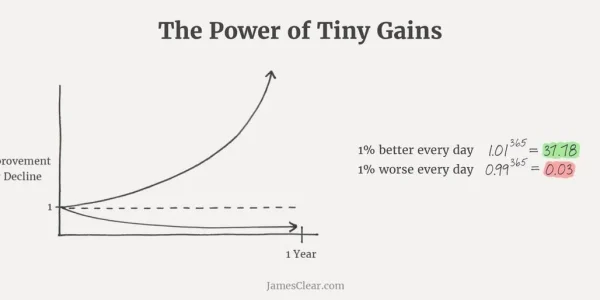
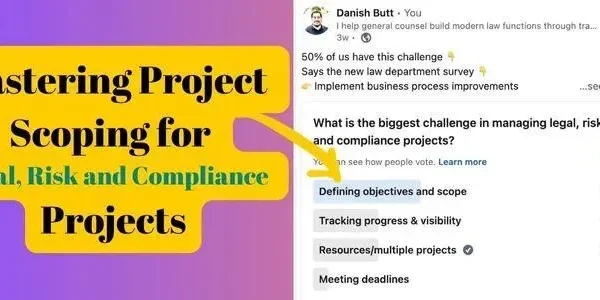
During the year, structured project scoping is what separates initiatives that deliver from those that drift. And continuous improvement is the discipline that distinguishes legal ops from project-by-project transformation work, the small, repeated improvements that compound over time.
The mental model matters as much as the methods. The most effective legal ops leaders increasingly draw on strategic management thinking from outside the legal industry, Formula 1 racing teams, for example, on the disciplines of agility, data-driven decisions, and operational excellence under pressure.
How Swiftwater approaches legal operations
Swiftwater works as an extension of the legal ops function rather than as an external consultant parachuted in for a project. Our engagements cover the full operating model (people, process, vendors, spend management, and data and analytics) designed around the specific maturity and constraints of your department. Explore our legal operations consulting services.
We work with Legal Operations Directors, Heads of Legal Operations, and General Counsel across enterprises. Every engagement is led by a named senior practitioner with prior experience working in or with in-house legal functions or Big 4 advisory experience. Not a junior team managed from a distance.
Legal AI is increasingly integrated into how we approach every legal operations engagement. Our AI practice identifies where automation creates real leverage for legal ops teams (in intake, workflow, spend analytics, and contract management).
Frequently asked questions
What is legal operations in a corporate legal department?
Legal operations is the business infrastructure that lets a General Counsel run the legal function as a business unit. It covers process and workflow design, financial management of inside and outside counsel spend, vendor and panel management, technology strategy across ELM, CLM and AI tools, and data and reporting that allows legal leadership to make evidence-based decisions.
Who owns legal operations in most companies?
In most mid-to-large enterprises, the Head of Legal Operations or Legal Operations Director owns the function day-to-day, with the General Counsel sponsoring it. Larger organizations may have a VP of Legal Operations between them. The Chief Legal Operations Officer title remains rare. In smaller organizations, ownership is often fragmented across legal, finance, and IT.
What does a mature legal operations function actually cover?
A mature legal operations function has five interdependent components: process and workflow design that standardizes how work moves through the legal function; financial management of legal spend; vendor and outside counsel management; technology strategy covering ELM, CLM, eBilling, intake, and legal AI tools; and data and reporting that powers KPIs, dashboards, and benchmarking.
Why is legal operations under more pressure in 2026?
The 2026 CLOC State of the Industry Report identified a structural productivity gap. Demand for legal services is rising sharply while budgets and headcount growth flatten. Regulatory compliance and cybersecurity are driving workload increases, and 80% of legal ops leaders now own technology strategy as a core function. Legal ops must deliver more with the same resources.
How do legal ops leaders run the function day-to-day?
A mature legal ops function runs on a recurring rhythm of annual planning, prioritization, structured project scoping, and continuous improvement. Annual planning aligns priorities to business strategy and allocates budget. During the year, structured scoping and continuous improvement separate initiatives that deliver from those that drift. The mental model matters as much as the methods.