

Legacy contract migration isn’t just about managing old agreements – it’s about leveraging them to create a single source of truth for your business. By consolidating legacy contracts into a centralized repository, you unlock valuable insights that can optimize business operations and reduce risks. AI can help extract and organize data at scale.
For the broader CLM operating model behind repository design, data quality, AI readiness, and legacy migration, see our guide to 10 Contract Lifecycle Management Best Practices for 2026. This methodical approach to discovering hidden assets within your contracts is essential for enhancing compliance and business effectiveness.
Join me as I walk through the world of legacy contract migration and discover how to harness the power of historical agreements to drive business success. Let’s unlock the full potential of your contracts together!
Key Takeaways
- Effective contract discovery and migration unlock insights from historical agreements and ensure compliance.
- Challenges with legacy contracts include disparate storage, prioritization issues, and complexities from mergers.
- Strategies like structured migration, AI analytics, and centralized repositories optimize legacy contract management.
- Consolidating contractual data through system integration enables automation, cost optimization, and risk mitigation.
- Preparing for contract renewals involves gaining visibility into historical arrangements and identifying favorable terms.
- AI-driven contract insights enhance operational efficiencies, compliance, and agility in response to market dynamics.
What is Contract Discovery and Migration?
Contract Discovery is the process of finding all legal agreements a company has. This includes contracts stored in emails, on paper, or in digital files. It helps businesses see all the contracts they have and understand what is inside them.
Contract Migration then moves these documents into a single system where they can be easily managed. This step makes sure that data from old contracts don’t get lost and can help with Legal Risk and Compliance.

For large companies, moving old contracts to a new system takes time and effort because they often have many documents in different places and formats. Using Artificial Intelligence (AI)-powered tools and databases helps make this task easier by automatically sorting through vast amounts of data.
Evaluating or implementing a CLM platform?
We have guided legal departments through selection, implementation, and adoption, without the vendor bias. Let us talk about where you are and what you actually need.
See CLM ServicesThese technologies find important details within contracts, such as deadlines and obligations, without missing anything critical. Through this method, organizations improve their Contract Lifecycle Management (CLM), helping them to better manage risks and comply with laws while also getting more value out of their agreements. For readers who need the foundation first, Contract Lifecycle Management 101 explains the contract lifecycle, key stages, benefits, and readiness considerations.
Tip: Click here to learn more about Understanding the Benefits of Contract Lifecycle Management
How Do Historical Contracts Differ from Digitally Accessible Contracts?
Historical contracts, also known as legacy agreements, serve as records of past business dealings, documenting agreed terms from earlier periods. Typically stored in formats like PDFs or paper, they may contain critical data relevant to prior decisions and obligations.
In contrast, digitally accessible contracts represent current business agreements that are stored and managed in electronic formats, such as within cloud-based repositories or electronic document management systems. These contracts are readily accessible electronically and can be easily reviewed, updated, and managed using digital tools.

The comparison table below highlights key differences between Historical Contracts (Legacy Agreements) and Digitally Accessible Contracts in a business context. Understanding these distinctions is essential for effective contract management and compliance within organizations.
| Aspect | Historical Contracts (Legacy Agreements) |
Digitally Accessible Contracts |
| Definition | Records of past business dealings; agreements from prior periods | Current digitized business agreements actively used in daily operations |
| Storage Format | Often stored as PDFs, paper documents, or on outdated digital platforms | Typically stored in modern, accessible formats like cloud repositories |
| Purpose | Capture past decisions and obligations that still active | Shape and support current business activities |
| Standardization | Often lack standardization; diverse in structure and clauses | Generally standardized with consistent terms and formats |
| Challenges | Disparate storage, lack of centralization, complexity from mergers | Requires efficient management for ongoing operations |
| Importance for Migration | Requires careful navigation of complex data structures | Integrates seamlessly into structured migration approaches |
| Compliance and Risk | Non-compliance risks if critical obligations are overlooked during migration | Essential for maintaining operational efficiency and compliance |
| Management and Optimization | Emphasis on extracting valuable insights and metadata for compliance | Focus on optimization, oversight, and integration with business systems |
The Criticality of Addressing Both Contract Types
Transitioning from managing digitally accessible contracts to addressing both contract types is a crucial aspect of effective contract management. Historical and digitally accessible contracts present unique challenges and opportunities, demanding tailored strategies for successful navigation.
It is essential to recognize the diversity within these contract types and diligently address their intricacies.
Neglecting historical contracts in favor of digitally accessible ones can lead to missed opportunities, contractual leakages, and compliance risks. Conversely, inefficient management of contracts may result in overlooked obligations and suboptimal performance measurements.
Acknowledging the criticality of addressing both types underscores the need for comprehensive approaches that cater to distinct needs while driving business optimization and risk mitigation.
What Challenges Do Businesses Face with Legacy Contracts?
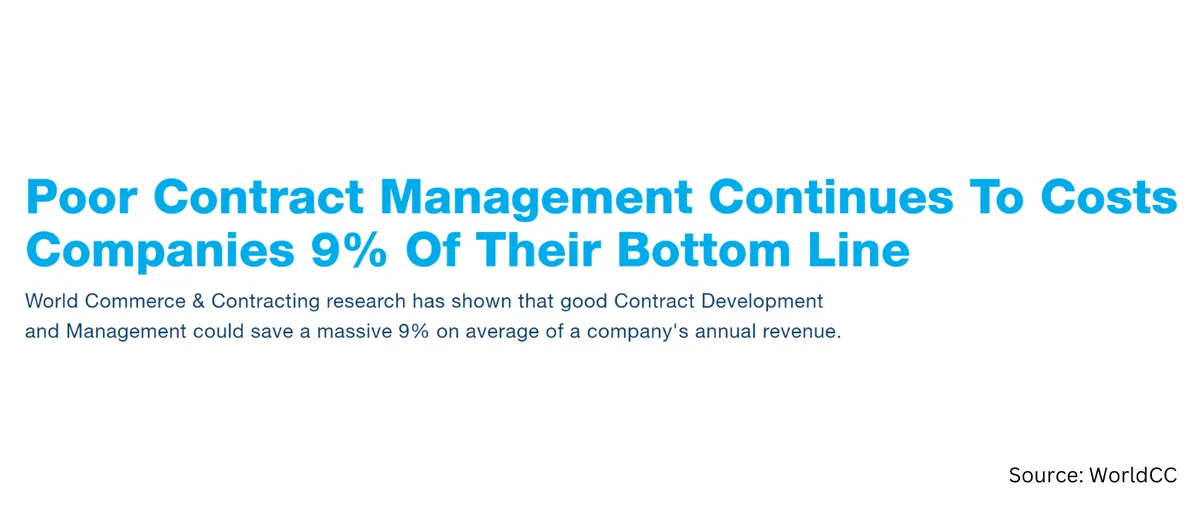
Addressing these challenges demands a structured approach to contract migration and management. By prioritizing legacy contracts alongside new agreements and adapting strategies to manage post-merger complexities, organizations can optimize compliance and operational efficiency.
Tip: To learn more about how effective Contract Lifecycle Management (CLM) can help address these challenges, explore our article on Contracting Made Easy: Streamlining the Contract Life Cycle Process
Evaluating legal technology but not sure where to start?
We help legal departments cut through the vendor noise, mapping technology to process maturity and building a roadmap that actually gets adopted.
See Legal TechnologyDisparate Storage and Centralization Issues
Disparate storage practices and the absence of centralization in contract management make it difficult to monitor key terms and ensure compliance. This disjointed approach may lead to underutilization of Contract Lifecycle Management (CLM) platforms, potentially resulting in contract leakages.
Prioritizing Newer Contracts Over Legacy Ones
Businesses often focus more on managing newer agreements, neglecting legacy contracts. However, overlooking legacy contracts can lead to compliance issues and missed opportunities for cost optimization. It’s essential to strike a balance and give due attention to both new and historical agreements.
Complexity Arising from Mergers and Acquisitions
Mergers and acquisitions introduce added complexity by integrating different contractual terms and obligations from various entities. This complexity requires a meticulous approach to reconcile conflicting clauses and ensure compliance across the integrated business landscape.
What Strategies Can Improve Successful Contract Migration?
Improving successful contract migration requires employing effective strategies to overcome challenges and optimize business operations.
By implementing these strategies, organizations can enhance the efficiency of legacy contract migration, minimize risks, and extract maximum value from their contract management processes.

Here are essential strategies to consider:
Establishing a Centralized Contract Repository
- Consolidate all contract data in a single, accessible location using dedicated legal tech solutions like contract lifecycle management systems, document management systems or enterprise content management platforms.
- Simplify oversight of the entire contract portfolio, enhance compliance efforts, and support better decision-making through comprehensive insights and analytics.
Tip: To better understand the different types of legal technology mentioned, review this article on Document Management, Contract Management, Records Management, and Knowledge Management Systems by the Association of Corporate Counsel (ACC). This resource provides valuable insights into the functionalities and distinctions among these systems, helping you choose the most suitable solution for your centralized contract repository needs.
Leveraging AI-Powered Contract Analytics
- Utilize advanced AI-powered analytics tools to extract valuable insights from historical contracts.
- Not all Artificial Intelligence tools are created equal.
- Streamline processes, manage compliance requirements, and make informed decisions based on data-driven insights. For a practical view of how AI supports clause analysis, risk flagging, playbook comparison, first-pass review, and contract data extraction, see AI contract review.
- Automate review workflows, identify trends, and optimize negotiations.
Tip: When leveraging AI-powered contract analytics, it’s crucial to find the right tool for your specific needs. Different tools excel in analyzing various clauses and industries, so choose one that aligns best with your requirements to maximize effectiveness.
Implementing a Structured Migration Approach
- Adopt a methodical process involving meticulous planning, thorough data analysis, and custom migration methodologies tailored to the organization’s unique requirements.
- Create a standardized data model that can house the meta data from the contracts including clause and obligation information. Legacy migration should be planned as part of the full CLM rollout, not as a side project. For a step-by-step implementation view, see our CLM implementation blueprint.
- Design the data model to be capable of answering business questions.
- Establish a clear roadmap, ensure interoperability with existing systems, and employ version control measures. Once migrated contracts are centralized, the next step is making sure they feed the right workflows for review, approval, renewal, obligation tracking, and reporting. For a deeper process view, see contract workflow management.
- Enhance risk assessment and management throughout the migration process.
Tip: Plan for human involvement throughout the structured migration process to extract maximum value from AI tools. Although AI tools are powerful, they benefit from human assistance to adapt to the unique nuances and requirements of your organization.
Why Migrate Legacy Contracts?
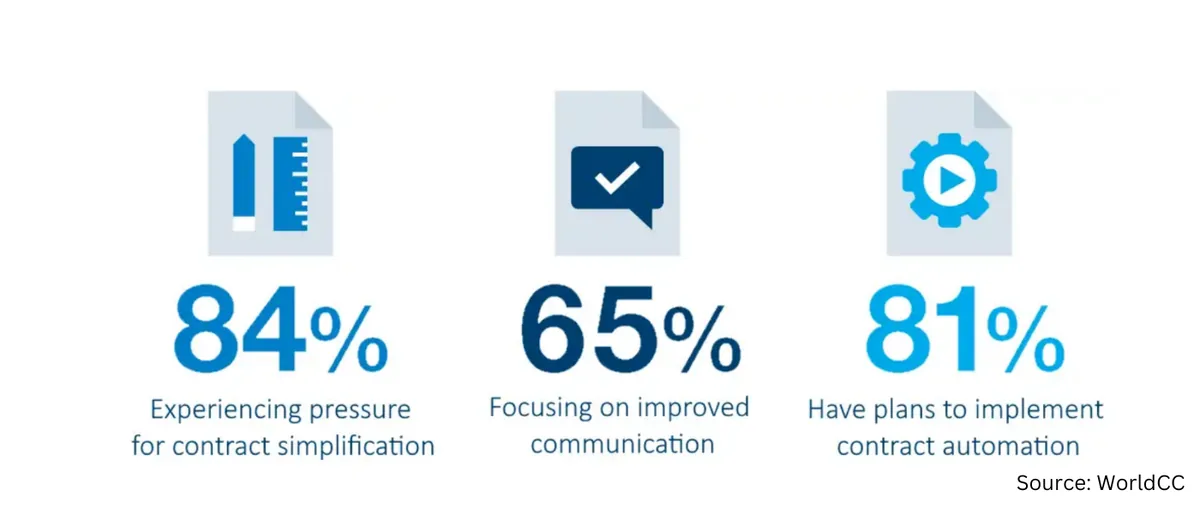
Migrating legacy contracts is crucial for reducing risks, preparing for renewals and negotiations, and ensuring compliance. The importance of this process is underscored by the fact that 84% of businesses feel pressure for contract simplification, 65% prioritize improved communication, and 81% have plans to implement contract automation (WorldCC). Here are key reasons why legacy contract migration is important:
Not ready to pick a CLM platform yet?
A four to six week diagnostic that maps your current contract lifecycle, sets requirements themes, and tells you what to buy before you sit through another vendor demo.
See the CLM Discovery SprintIdentifying Cost Optimization Opportunities
- Analyzing historical contracts reveals areas for reducing expenses and streamlining processes.
- Leveraging AI insights optimizes negotiations and procurement strategies.
Ensuring Compliance and Reducing Risks
- Structured migration highlights compliance risks and supports their mitigation.
- Insights can also help you categorize business and obligation risks so you can create a prioritized plan to address them.
Consolidating Contractual Data and Obligations
- Integration with business systems enriches the information available at hand to facilitate operations and compliance.
- Centralized data repository ensures access to crucial information and insights.
Automating Renewal and Obligation Workflows
- Automating renewal and approval workflows increases efficiency and minimizes errors.
- Integration with AI analytics enhances decision-making and risk assessment.
- Leverage the contract insights to create obligation reminders and evaluations.
Integrating Contract Management with Business Systems
- Integrating contract data with ERP, CRM, or procurement systems enhances transparency and collaboration.
- Automation within business systems improves productivity and compliance.
Embracing the Future of Contract Discovery and Migration
Legacy contract migration offers businesses a transformative opportunity to centralize their contract management and unlock valuable insights from historical agreements. By establishing a single source of truth through structured migration, organizations can drive efficiency, reduce risks, and enhance compliance.
Creating a methodical approach to discovering hidden assets within contracts is crucial for optimizing operations and leveraging insights that drive business success. Embracing legacy contract migration is not just about managing old agreements—it’s about harnessing their potential to propel your business forward in today’s dynamic landscape.
A complete data set, in this case repository of all contracts, will lead to a higher adoption rate of contract lifecycle management repository. Business users tend to use the systems that can give them the most complete information.
Thank you for exploring the world of legacy contract migration with me. Let’s continue to unlock the full potential of your contracts and drive lasting value for your organization.
If your legal, procurement, or commercial team is preparing for legacy contract migration, repository cleanup, metadata extraction, or CLM implementation, Swiftwater’s Contract Lifecycle Management practice helps organizations assess readiness, structure contract data, design workflows, implement platforms, improve adoption, and measure business value.
Frequently asked questions
What is legacy contract migration?
Legacy contract migration is the process of identifying, digitizing, organizing, extracting metadata from, and moving older contracts into a modern contract repository or CLM system. It helps organizations create a more complete view of their agreements, obligations, renewal dates, risks, and commercial relationships.
Why is legacy contract migration important before implementing CLM?
Legacy contract migration is important before implementing CLM because a new system creates more value when it contains both new and existing agreements. Migrating legacy contracts helps close repository gaps, improve search, support reporting, and give teams a stronger foundation for renewals, obligations, and compliance tracking.
What contract data should be extracted during migration?
Important contract data to extract includes counterparty names, agreement types, effective dates, expiration dates, renewal terms, termination rights, governing law, contract value, payment terms, obligations, notice periods, service levels, and key risk clauses. These fields help teams manage contracts as searchable business records.
How does legacy contract migration support compliance?
Legacy contract migration supports compliance by making older agreements searchable, organized, and easier to review against current policies, regulatory requirements, and internal controls. It also helps teams identify active obligations, audit rights, data protection terms, certifications, and renewal commitments that may need ongoing monitoring.
How can AI help with legacy contract migration?
AI can help with legacy contract migration by extracting metadata, identifying clauses, classifying agreement types, detecting renewal terms, summarizing obligations, and flagging risk indicators across large volumes of contracts. Human review remains important for validating high-value agreements, complex clauses, and migration quality.
Which contracts should be migrated first?
Organizations should usually migrate active, high-value, high-risk, regulated, revenue-related, supplier-critical, and soon-to-renew agreements first. This prioritization gives legal, procurement, finance, and business teams faster visibility into the contracts that have the greatest operational and compliance impact.
How does legacy contract migration improve renewals and negotiations?
Legacy contract migration improves renewals and negotiations by giving teams access to historical pricing, amendment history, renewal dates, termination windows, service levels, and prior negotiated terms. This visibility helps teams prepare earlier and negotiate from a more informed position.
What makes a legacy contract migration project successful?
A successful legacy contract migration project has a clear scope, contract prioritization plan, metadata schema, quality control process, assigned contract owners, AI-assisted extraction where useful, and a governance model for maintaining the repository after migration. The goal is not just to move documents, but to create reliable contract intelligence.
Disclaimer: This article is provided for educational and information purposes only. Neither Swiftwater & Co. or the author provide legal advice. External links are responsibility and reflect the thinking of their respective authors – those are provided for informational purposes only.