

🗓️ Updated March 2026 – includes outsourcing guidance, contract clause checklist, and CMMI framework overview.
Effective supplier agreement management can have a profound impact on your business’s profitability by optimizing costs, reducing risks, and improving overall operational efficiency.
By implementing streamlined processes and closely monitoring supplier agreements, businesses can negotiate more favorable terms and minimize unnecessary expenses. This strategic approach allows companies to allocate resources more effectively and redirect saved funds into other critical areas, such as marketing and product development.
Furthermore, efficient supplier agreement management also plays a crucial role in maintaining strong relationships with suppliers. Clear communication, fair negotiations, and prompt payment practices foster better collaborations and can lead to preferential pricing or exclusive deals.
In this article, we will explore the key benefits of efficient supplier agreement management and provide practical tips for implementing such practices in your business. Discover how this often underestimated aspect of business operations can be a game-changer for your profitability. For teams building a broader contract operating model, supplier agreement management should also connect to the full contract lifecycle, including intake, drafting, approvals, obligations, renewals, and reporting. You can explore the wider framework in Swiftwater’s Contract Lifecycle Management hub.
Set up the supplier agreement management strategy
Setting a Supplier Agreement Strategy is the cornerstone of successful supplier relationships. It begins with a comprehensive assessment of organizational needs, goals, and priorities.
By aligning the strategy with the broader business objectives, companies can determine the types of supplier agreements required, whether they focus on cost savings, quality assurance, innovation, or other factors. Additionally, considering factors such as supplier segmentation, risk tolerance, and market dynamics, organizations can develop a tailored approach that guides supplier selection, negotiation, and ongoing management.
A well-defined strategy not only ensures that supplier agreements meet immediate requirements but also lays the foundation for long-term partnerships that drive growth, efficiency, and competitiveness. It serves as a roadmap that leads to mutually beneficial agreements and robust supplier relationships.
Evaluating or implementing a CLM platform?
We have guided legal departments through selection, implementation, and adoption, without the vendor bias. Let us talk about where you are and what you actually need.
See CLM ServicesKey stakeholders for supplier agreement management

Effective supplier agreement management involves multiple stakeholders, each playing a crucial role in ensuring the success of the process. These stakeholders have a vested interest in the agreements and their outcomes. Let’s explore the key players in supplier agreement management:
-
Procurement Teams: Procurement professionals are often the driving force behind supplier agreement management. They are responsible for sourcing suppliers, negotiating terms, and ensuring that agreements align with the organization’s goals and budget constraints.
-
Supplier Relationship Managers: Supplier relationship managers are tasked with nurturing and maintaining positive relationships with suppliers. They serve as a bridge between the organization and its suppliers, fostering collaboration and resolving any issues that may arise during the agreement’s lifecycle.
-
Legal Experts: Legal professionals ensure that supplier agreements are compliant with applicable laws and regulations. They draft and review contracts, protecting the organization’s interests and minimizing legal risks.
-
Finance and Accounting Teams: Finance and accounting teams monitor the financial aspects of supplier agreements. They ensure that payments are made on time, budgets are adhered to, and financial performance is in line with expectations.
-
Operations Teams: Operations teams oversee the implementation of supplier agreements on a day-to-day basis. They ensure that goods and services are delivered as per the agreed-upon terms, managing inventory, quality control, and logistics.
-
Executive Leadership: Senior executives provide oversight and strategic direction for supplier agreement management. They make critical decisions about supplier selection, long-term partnerships, and alignment with organizational goals.
-
IT and Technology Specialists: In an increasingly digital world, IT and technology specialists play a vital role in implementing and managing digital tools and platforms for efficient supplier agreement management, such as contract management software.
-
Internal Users: End-users within the organization who interact with suppliers or utilize the products or services provided under the agreements are also stakeholders. Their feedback and satisfaction can significantly impact the success of supplier relationships.
Effective communication and collaboration among these stakeholders are essential for successful supplier agreement management. Each group brings unique expertise to the table, contributing to the overall efficiency, compliance, and satisfaction derived from supplier agreements.
In the dynamic landscape of business relationships, stakeholders collectively steer the ship toward prosperity and success.
Interested in the presentation highlights?
Type of contracts managed under supplier agreement management

Supplier agreements encompass a wide range of contract types that govern the relationship between a business and its suppliers.
These contracts are tailored to address specific needs and expectations within the procurement process. Here’s an illustrative list of common contract types covered under supplier agreements:
-
Purchase Agreements: These contracts outline the terms and conditions for procuring goods or services from a supplier. They specify quantity, pricing, delivery schedules, and quality standards.
-
Service Level Agreements (SLAs): SLAs define the level of service expected from the supplier, including performance metrics, response times, and penalties for non-compliance.
-
Master Services Agreements (MSAs): MSAs provide a framework for long-term relationships with suppliers. They establish the general terms and conditions that apply to multiple transactions over time. For larger or recurring supplier relationships, the MSA often becomes the foundation for future statements of work, purchase orders, renewals, and amendments. For a deeper breakdown, see what is a Master Service Agreement.
-
Non-Disclosure Agreements (NDAs): NDAs protect sensitive information shared during negotiations or collaborations with suppliers. They ensure confidentiality and non-disclosure of proprietary data.
-
Quality Assurance Agreements: These agreements set forth the quality control measures and standards that suppliers must adhere to, ensuring the delivery of high-quality products or services.
-
Supply Agreements: Supply agreements govern the supply of raw materials, components, or finished products. They specify pricing, delivery schedules, and inventory management.
-
Distribution Agreements: These contracts define the terms of distributing products or services supplied by a third party. They may cover territories, pricing, and marketing strategies.
-
Warranty Agreements: Warranty agreements outline the terms and conditions of product warranties, including duration, repair or replacement procedures, and liability.
-
Subcontractor Agreements: In cases where suppliers subcontract part of their work, subcontractor agreements clarify the responsibilities, deliverables, and payment terms for subcontracted work.
-
Change Orders: Change orders allow for modifications to existing contracts when circumstances change, such as alterations to pricing, quantities, or delivery schedules.
-
Termination Agreements: These agreements specify the conditions and procedures for terminating the supplier relationship, including notice periods and transition plans.
-
Exclusive Supplier Agreements: Exclusive supplier agreements grant a supplier exclusivity in providing specific goods or services to the organization for a defined period.
-
Cooperative Agreements: Cooperative agreements promote collaboration between the organization and the supplier for joint projects, research, or product development.
-
Outsourcing Agreements: In cases of outsourcing, these agreements define the scope of outsourced activities, responsibilities, and performance expectations.
-
Compliance Agreements: Compliance agreements ensure that suppliers adhere to regulatory requirements, industry standards, and ethical practices.
-
Sustainability Agreements: Sustainability agreements focus on environmentally and socially responsible practices, promoting sustainability within the supply chain.
These contract types illustrate the diverse range of agreements that fall under supplier agreements. Tailoring contracts to specific needs and ensuring clear and comprehensive terms is crucial for a successful supplier relationship management strategy.
Effective supplier agreement management

To effectively manage supplier agreements, businesses need to have a structured approach. This involves several practices that work together to optimize supplier relationships and drive profitability. For a more practical execution view, see our related guide on 7 strategic tips for navigating supplier contract management, which focuses on collaboration, centralization, adaptability, supplier partnerships, data, risk, and training.
1. Contract Creation and Review: The first step in efficient supplier agreement management is creating well-defined and comprehensive contracts. Contracts should clearly outline the terms and conditions, pricing, delivery schedules, and performance expectations. Regular contract reviews are also essential to ensure that agreements remain aligned with business goals and market dynamics.
Evaluating legal technology but not sure where to start?
We help legal departments cut through the vendor noise, mapping technology to process maturity and building a roadmap that actually gets adopted.
See Legal Technology2. Supplier Performance Monitoring: Monitoring supplier performance is crucial for maintaining high-quality standards and identifying areas for improvement. Establishing key performance indicators (KPIs) and regularly evaluating supplier performance against these metrics allows businesses to address any issues promptly and proactively.
3. Supplier Relationship Management: Building strong relationships with suppliers is essential for long-term success. Effective communication, regular meetings, and open dialogues help foster collaborative partnerships. By establishing trust and maintaining open lines of communication, businesses can work together with suppliers to continuously improve processes and drive mutual success.
Key components of an effective supplier agreement
A well-drafted supplier agreement is the foundation of every successful supplier relationship. Regardless of contract type or industry, every supplier agreement should include these six core components:
- Scope of work: Clearly define the products or services to be provided by the supplier, including specifications, quantities, quality standards, and delivery schedules. Ambiguity here is the single most common source of supplier disputes.
- Pricing and payment terms: Specify the pricing structure, payment terms, and any applicable discounts or penalties for late payments. Where pricing may change over the contract term, include a mechanism for how adjustments will be calculated and communicated.
- Term and termination: Outline the duration of the agreement and the conditions under which either party can terminate the contract. Include notice periods, cure periods for breaches, and what happens to in-flight work or prepaid amounts upon termination.
- Intellectual property rights: Address ownership and usage rights for any intellectual property created or used during the life of the agreement. This is particularly important for technology, creative services, and consulting engagements where the supplier may use proprietary methods or tools.
- Confidentiality and non-disclosure: Include provisions to protect confidential information and trade secrets shared between the parties during the agreement. Define what constitutes confidential information, the obligations of each party, and how long those obligations survive after the agreement ends.
- Performance metrics: Define key performance indicators to measure the supplier’s performance and ensure compliance with agreed-upon standards. Tie these metrics to the contract wherever possible so that underperformance has defined consequences rather than becoming a negotiation after the fact.
Outsourcing supplier agreement management
For organizations where managing supplier agreements internally becomes overwhelming, outsourcing this function to a specialized vendor or managed services provider is a viable option. This is particularly relevant for legal departments and procurement teams dealing with high contract volumes, complex multi-jurisdiction agreements, or limited internal bandwidth.
Outsourcing can provide access to expertise, technology, and resources that may not be available in-house, including dedicated contract management professionals, established CLM platforms, and standardized governance frameworks. Nearshore and offshore models can also provide cost efficiencies for high-volume, lower-complexity contract administration work.
Before outsourcing, ensure you clearly define expectations, deliverables, and performance standards in a well-structured statement of work. The governance model for an outsourced supplier agreement management function should include regular reporting, escalation protocols, and defined handoff points between the vendor and your internal stakeholders.
Benefits of effective supplier agreement management
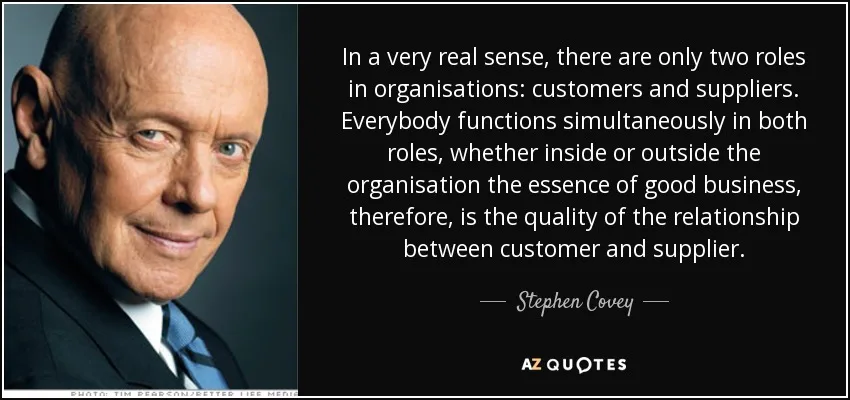
Efficient supplier agreement management offers several key benefits that can significantly impact a business’s profitability.
1. Cost Optimization: By actively managing supplier agreements, businesses can negotiate better pricing, explore alternative suppliers, and reduce unnecessary expenses. This leads to significant cost savings and improved profit margins.
2. Risk Mitigation: Careful review and management of supplier agreements help identify and mitigate potential risks. By proactively addressing issues such as quality control, delivery delays, or contractual breaches, businesses can minimize disruptions and maintain operational continuity.
3. Operational Efficiency: Streamlining supplier agreement management processes improves overall operational efficiency. By reducing administrative burdens and ensuring timely processing of orders, invoices, and payments, businesses can allocate resources more effectively.
4. Supplier Collaboration: Efficient supplier agreement management fosters better collaboration with suppliers. Clear communication, fair negotiations, and prompt payment practices create a positive working relationship, leading to preferential pricing, exclusive deals, and access to new products or technologies.
Steps to implement efficient supplier agreement management

Implementing efficient supplier agreement management practices requires a systematic approach. Here are some key steps to get started:
1. Evaluate Current Supplier Agreements: Begin by conducting a thorough review of your existing supplier agreements. Identify areas for improvement, such as pricing, terms, or performance metrics.
Not ready to pick a CLM platform yet?
A four to six week diagnostic that maps your current contract lifecycle, sets requirements themes, and tells you what to buy before you sit through another vendor demo.
See the CLM Discovery Sprint2. Establish Contract Management Processes: Develop processes for creating, reviewing, and managing supplier contracts. Clearly define roles and responsibilities within your organization to ensure that contracts are effectively managed.
3. Define Contract Templates & Playbooks: Defining and to a certain extent harmonizing contract clauses into templates helps with speed of doing business. Creating playbooks on how to execute these templates ensures uniformity and compliance. It also helps setup clear expectations among all parties on what the standard practices are. This is also where clause libraries become useful, because they give legal and procurement teams approved language, fallback positions, and escalation guidance for repeat supplier terms. For more detail, see clause libraries, contract templates, and contract playbooks.
4. Set Performance Metrics and KPIs: Establish key performance indicators and metrics that align with your business goals. Regularly monitor and evaluate supplier performance against these metrics to ensure expectations are being met.
5. Invest in Technology Solutions: Explore software and tools specifically designed for supplier agreement management. These solutions can streamline processes, improve record-keeping, and enhance communication with suppliers.
Supplier Agreement Management (SAM) according to Capability Maturity Model Integration (CMMI)
CMMI is a worldwide framework that includes supplier agreement management (SAM) as part of its Project Management category. The newest version is V3.0.
Here is an overview of best practices according to Supplier Agreement Management-CMMI:
-
Identify, evaluate, and select suppliers
-
Develop and record the supplier agreement
-
Accept or reject the supplier delierables
-
Process supplier invoices
-
Identify evaluation criterai, potential suppliers, and distribute supplier requests
-
Evaluate supplier responses according to recorded evaluation criteria and select suppliers
-
Manage supplier activities as specified in the supplier agreement and keep agreement updated
-
Verify that the supplier agreement is satisfied before accepting the acquired supplier deliverable
-
manage invoices submitted by the supplier according to the supplier agreements
-
Conduct technical reviews of supplier performance activities and selected deliverables
-
manage supplier performance and processes based on criteria in the supplier agreement
-
Select measures and apply analytical techniques to quantitatively manage suppliers against their performance goals
Strategies to optimize supplier agreement negotiations

Negotiating supplier agreements requires careful planning and strategy. Here are some effective strategies to optimize supplier agreement negotiations:
-
Research and Benchmark: Before entering into negotiations, gather market intelligence and benchmark pricing and terms with industry standards. This will provide leverage during negotiations and help ensure you are getting a fair deal.
-
Identify Win-Win Opportunities: Look for opportunities where both parties can benefit from the agreement. This could involve volume discounts, longer-term contracts, or strategic partnerships that provide mutual value.
-
Leverage Data and Performance: Use data and supplier performance metrics to support your negotiation position. Highlight areas where suppliers have excelled or identify areas for improvement that could be addressed through revised terms.
-
Establish Clear Objectives: Define your negotiation objectives and priorities beforehand. Knowing what you want to achieve will help you stay focused and guide the negotiation process effectively.
-
Negotiate Beyond Price: While pricing is a critical factor, consider other elements of the agreement, such as delivery schedules, quality standards, and payment terms. Flexibility in these areas can lead to better overall value.
-
Build Long-Term Relationships: Foster a collaborative relationship with your suppliers. Long-term partnerships often yield more favorable terms and opportunities for continuous improvement.
-
Alternative Suppliers: Be prepared to explore alternative suppliers if negotiations do not align with your expectations. Having options can strengthen your bargaining position.
-
Incorporate Risk Mitigation: Assess potential risks associated with the agreement and discuss risk mitigation strategies with your suppliers. This proactive approach can protect both parties from unexpected challenges.
-
Seek Legal Guidance: Engage legal experts to review and advise on contract terms. Their expertise can help ensure that the agreement is legally sound and protective of your interests.
-
Maintain Transparency: Open and honest communication with suppliers builds trust. Share your business goals and challenges, and encourage suppliers to do the same. Transparency can lead to more collaborative and mutually beneficial agreements.
-
Regular Reviews: Establish a process for regular reviews and performance evaluations. This ongoing feedback loop allows for adjustments and improvements over the course of the agreement.
-
Exit Strategy: Include an exit strategy in the agreement, specifying the conditions and procedures for termination if necessary. Knowing there is a plan in place can ease concerns and facilitate smoother negotiations.
By incorporating these strategies into your supplier agreement negotiation process, you can enhance the likelihood of achieving agreements that not only meet your immediate needs but also contribute to long-term success and mutually beneficial relationships with your suppliers.
Tools and software for supplier agreement management

When managing supplier agreements, organizations can benefit from a variety of tools and software designed to streamline the process. Many organizations have an ERP tool leveraged by procurement and other teams. It is typically a good starting point to start creating your supplier agreement management process and technology ecosystem.
Unfortunately, there may not be a one size fits all. And, in most cases as your organization grows more than one tool is needed. However, in this day of SaaS and integrations each of these systems can be connected.
Ultimately, it is the ability to have accessible and cohesive data, analytics and knowledge that is the basis for solid Supplier Agreement Management. Here are some key solutions and their features:
Contract Lifecycle Management (CLM) Software
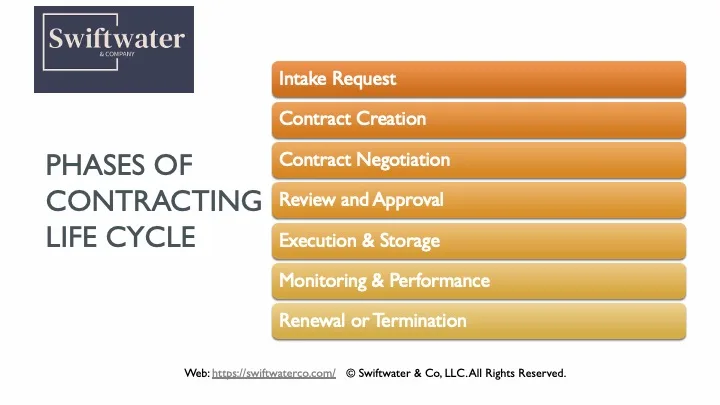
CLM software is essential for managing the entire lifecycle of supplier agreements. Key features and benefits include:
-
Centralized Contract Repository: A single location to store all contracts, making it easier to manage and retrieve documents.
-
Powerful Search Capabilities: Quickly find contracts and specific clauses within your repository.
-
Alerts and Notifications: Automated reminders about important dates and milestones to ensure timely actions.
-
Contract Clause and Template Libraries: Pre-approved language and templates to speed up contract creation and ensure consistency.
-
Version Control: Manage different versions of a contract to maintain a clear history of changes.
-
Workflow Management: Automate the approval process and monitor contract progress in real-time.
-
Security: Protect sensitive contract data with robust security measures.
Supplier Relationship Management (SRM) Systems
Supplier Relationship Management (SRM) systems focus on managing relationships with suppliers and offer a range of features, including:
-
Supplier Portal: A centralized platform for suppliers to access necessary information and documents.
-
Supplier Data Management: Tools to manage and analyze supplier information.
-
Supplier Performance Management: Monitor and evaluate supplier performance to ensure they meet business needs.
-
Real-Time Supplier Risk Management: Assess and manage potential risks associated with suppliers.
-
AI for Supplier Pre-qualifications and Selections: Utilize artificial intelligence to streamline the supplier selection process.
-
Integration with Tech Stack: Ensure seamless integration of the SRM system with existing business software.
Similarly, there may be other enterprise tools such as document management, records management, and workflow tools that may be leveraged as needed.
E-Sourcing Platforms
E-sourcing platforms are designed to optimize the sourcing and procurement process. Their features include:
-
RFx Management: Manage requests for information (RFIs) and requests for proposals (RFPs) efficiently.
-
Bid Evaluation Tools: Evaluate and compare supplier bids to select the best value.
-
Electronic Bid Submissions: Allow suppliers to submit bids electronically for a streamlined process.
-
Vendor Awards: Automate the process of awarding contracts to suppliers.
-
Supplier Pre-qualification and Onboarding: Streamline the process of bringing new suppliers into the system.
Common challenges in supplier agreement management and how to overcome them

While efficient supplier agreement management offers numerous benefits, it’s not without its challenges. Here are some common challenges and strategies to overcome them:
1. Lack of Visibility: Limited visibility into supplier performance and contractual obligations can hinder effective management. Implementing technology solutions that provide real-time data and analytics can help overcome this challenge.
2. Ineffective Communication: Poor communication with suppliers can lead to misunderstandings and delays. Establish clear lines of communication, regular meetings, and open dialogues to foster effective collaboration.
3. Contractual Complexity: Complex contracts can be difficult to manage and monitor. Simplify contracts where possible, clearly define terms and conditions, and ensure all parties have a thorough understanding of the agreements.
4. Resistance to Change: Resistance to change can hinder the adoption of efficient supplier agreement management practices. Communicate the benefits of these practices to stakeholders and provide training and support to facilitate the transition.
Conclusion: The impact of efficient supplier agreement management on business profitability

In conclusion, our exploration of efficient supplier agreement management reveals a profound impact on business profitability. Beyond cost savings, it fosters a nurturing environment for robust supplier relationships. Much like skilled navigators chart their course through unpredictable waters, businesses can steer towards win-win scenarios by prioritizing relationship management and conflict resolution.
Efficient supplier agreement management doesn’t merely optimize processes; it nurtures partnerships that flourish. In this landscape, collaboration and transparency are the anchors, ensuring mutual satisfaction and happiness. When conflicts arise, they become opportunities for innovative solutions, further cementing the supplier-client relationship.
The result is a rising tide that lifts both parties—businesses thrive, and suppliers prosper. It’s a testament to the transformative power of strategic supplier agreement management—a journey where success isn’t measured solely in financial gains but also in the satisfaction, happiness, and lasting win-win partnerships it creates. In the ever-evolving business world, embracing this approach isn’t just a choice; it’s the route to enduring success.
If your legal, procurement, or finance team is ready to improve supplier agreement management, Swiftwater’s Contract Lifecycle Management practice helps organizations assess contract operations, improve workflows, standardize templates and playbooks, and implement CLM programs that support measurable business outcomes.
Frequently Asked Questions: Supplier Agreement Management
What is supplier agreement management?
Supplier agreement management is the process of creating, executing, monitoring, and renewing the contracts that govern relationships between an organization and its suppliers. It covers the full lifecycle of supplier agreements, from initial negotiation and contract drafting through performance monitoring, dispute resolution, and renewal or termination. Effective supplier agreement management reduces costs, mitigates supply chain risk, and builds stronger long-term supplier partnerships.
What should be included in a supplier agreement?
Every supplier agreement should include six core components: scope of work, pricing and payment terms, term and termination conditions, intellectual property rights, confidentiality and non-disclosure provisions, and performance metrics. For complex or long-term supplier relationships, additional clauses covering change management, dispute resolution, audit rights, and exit strategy are also recommended.
What is the difference between supplier agreement management and supplier relationship management?
Supplier agreement management focuses specifically on the contracts that govern supplier relationships, including drafting, execution, compliance monitoring, and renewal. Supplier relationship management is broader, covering the overall health of the supplier relationship including communication, performance, collaboration, and strategic alignment. The two are closely related but distinct disciplines. Strong supplier agreement management is the foundation that makes supplier relationship management effective.
How do you measure supplier agreement management performance?
The most meaningful metrics are contract cycle time (how long from request to executed agreement), on-time renewal rate, percentage of contracts using standard templates, number of non-compliant invoices flagged, and supplier performance scores against KPIs defined in the agreement. Establishing these baselines before implementing a CLM or SRM system is essential for demonstrating ROI.
When should an organization outsource supplier agreement management?
Outsourcing makes sense when internal bandwidth is insufficient to manage contract volume effectively, when the organization lacks specialized expertise in a particular contract type or jurisdiction, or when the cost of building internal capability exceeds the cost of a managed service. Organizations dealing with high volumes of routine, lower-complexity supplier agreements are the best candidates for outsourcing, while strategic supplier relationships are typically better managed in-house.
Disclaimer: This article is provided for educational and informational purposes only. Swiftwater & Company and the author do not provide legal advice. External links and product references reflect publicly available information from the respective vendors and authorities and are provided for reference. Microsoft, Microsoft 365, Microsoft Copilot, and Microsoft Word are trademarks of Microsoft Corporation. Claude is a trademark of Anthropic, PBC. Onit and ReviewAI are trademarks of Onit, Inc. All other product names referenced are the property of their respective owners.